

-
ABOUTThe group company integrates design, casting, production, research and development, sales and service to provide customers with modern, digital one-stop water supply system solutions.

-
PRODUCTS
-
APPLICATION4 production bases in group company, 10 branches, more than 20 offices, more than 1000 professional employees, long-term service to domestic and foreign high-end customer groups including Five state-owned power groups.
-
NEWSShanglishi Group is the main member appointed by the Pump Association to participate in the development of national standards for slurry pumps and petrochemical centrifugal pumps.
-
CONTACTThe company's good product quality and service have always created value for customers, and are favored by more and more customers.
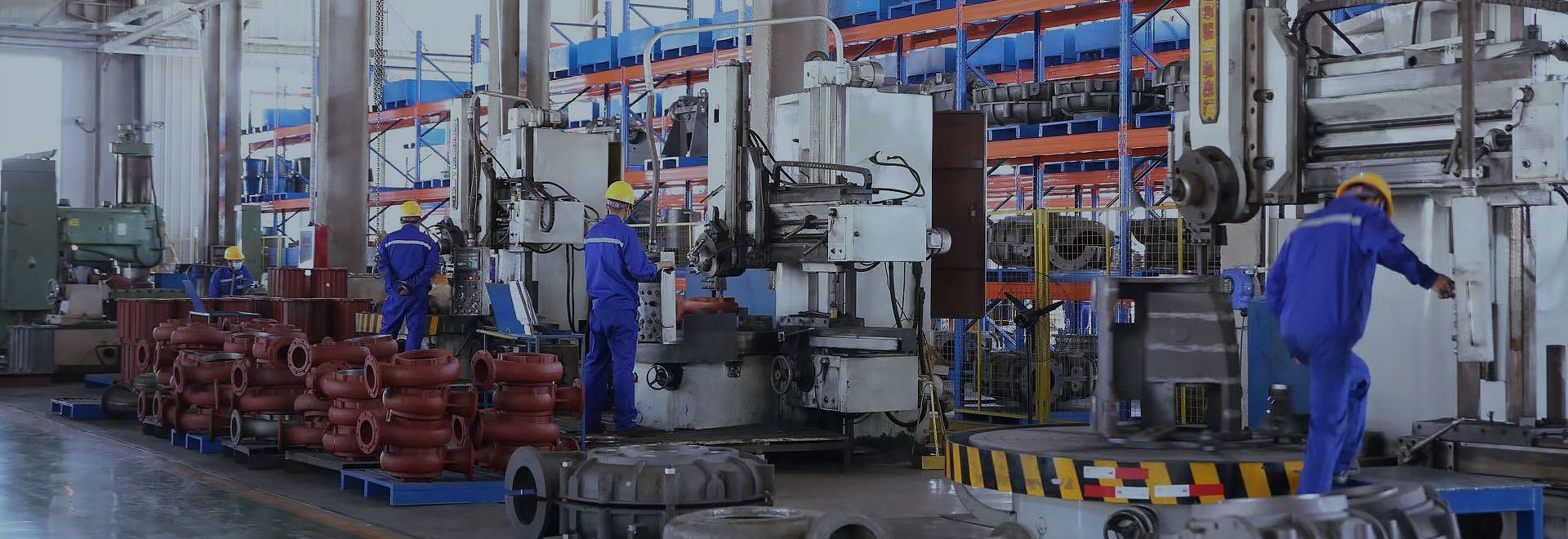
Slurry Pump Performance Testing: What Factory Acceptance Actually Verifies
Published:
Oct 10,2026
Slurry pump appearance reflects manufacturing quality, but design compliance requires performance testing. Factory-acceptance tests measure flow rate, head, and power against specifications, though water-only results differ from actual slurry conditions. Parameters are interrelated and must be evaluated together across operating conditions. Standardized factory testing provides objective delivery data and reference for installation and operation, but cannot fully replace on-site acceptance. Performance testing is a critical step in verifying compliance with design and contractual requirements.
Why is performance testing conducted on slurry pumps? What can factory‑acceptance testing verify?
The appearance and structure of a slurry pump can provide insights into its manufacturing quality; however, whether the equipment meets its design specifications must be verified through appropriate performance testing.
For mining, mineral processing, and industrial slurry‑transportation projects, understanding the factory‑acceptance test procedures for slurry pumps enables users to gain a more comprehensive grasp of the equipment’s performance and provides valuable guidance for subsequent installation and operation.
I. What are the main parameters measured in slurry pump performance testing?
Performance testing of slurry pumps typically focuses on key parameters such as flow rate, head, and power.
Traffic It reflects the pump’s delivery capacity per unit time. Head lift It reflects the pump’s ability to transfer energy to the conveyed medium. Power It is used to assess the energy requirements during equipment operation.
By testing these parameters and comparing them against the product’s design specifications or the agreed‑upon performance curve, it is possible to determine whether the pump meets its expected performance under the specified test conditions.
It should be noted that the results of a water‑only test cannot be directly equated with performance under actual slurry operating conditions. Factors such as slurry density, solid concentration, and particle characteristics can all influence the pump’s real‑world operational performance.
II. Why can’t we rely on a single parameter alone?
There is an interrelationship among flow rate, head, and power; therefore, no single parameter can be evaluated in isolation.
For example, meeting the required flow rate does not necessarily mean that the head and power also comply with the specifications. Only by considering multiple parameters together with their corresponding operating conditions can the pump’s performance be evaluated more comprehensively.
Therefore, performance testing should not only verify whether a specific metric meets the specified threshold but also cross-check data across various operating conditions and ensure that the test conditions and evaluation criteria are clearly defined.
For equipment subject to specific project requirements, the test scope and acceptance criteria shall also be determined in accordance with the contract provisions, applicable standards, and relevant technical documents.
III. What is the significance of factory testing for users?
Standardized factory testing provides objective performance data for product delivery, enabling users to verify that the equipment meets the agreed-upon technical specifications.
Meanwhile, test records can also serve as a reference for subsequent installation, commissioning, and operational analysis. However, factory acceptance tests cannot fully replace on-site acceptance, as the actual piping configuration, fluid properties, installation conditions, and operating modes may differ from the factory test conditions.
For slurry pumps, only by integrating factory‑rated performance data with actual field operating conditions can the equipment’s operational performance be assessed more accurately. 

Summary
Slurry pump performance testing is not only a critical step in the product delivery process but also a key basis for verifying that the equipment meets both design specifications and contractual requirements. By monitoring flow rate, head, power, and the corresponding test conditions, users can gain a more comprehensive understanding of the equipment’s performance, providing valuable guidance for subsequent applications.
Reliable product quality is reflected not only in the manufacturing process but also requires validation through standardized testing and clear, verifiable data.
Keyword:
Popular science article,shanglishi pump group,slurry pump
SHANGLISHI PUMP GROUP
Department Director: Ms. Wang
Tel: +86-311-82725629
Email: admin@sls-pump.com
WhatsApp: +86 15830676372
Mobile Website
Mobile Website
Copyright © 2022 SHANGLISHI PUMP GROUP
Service