

-
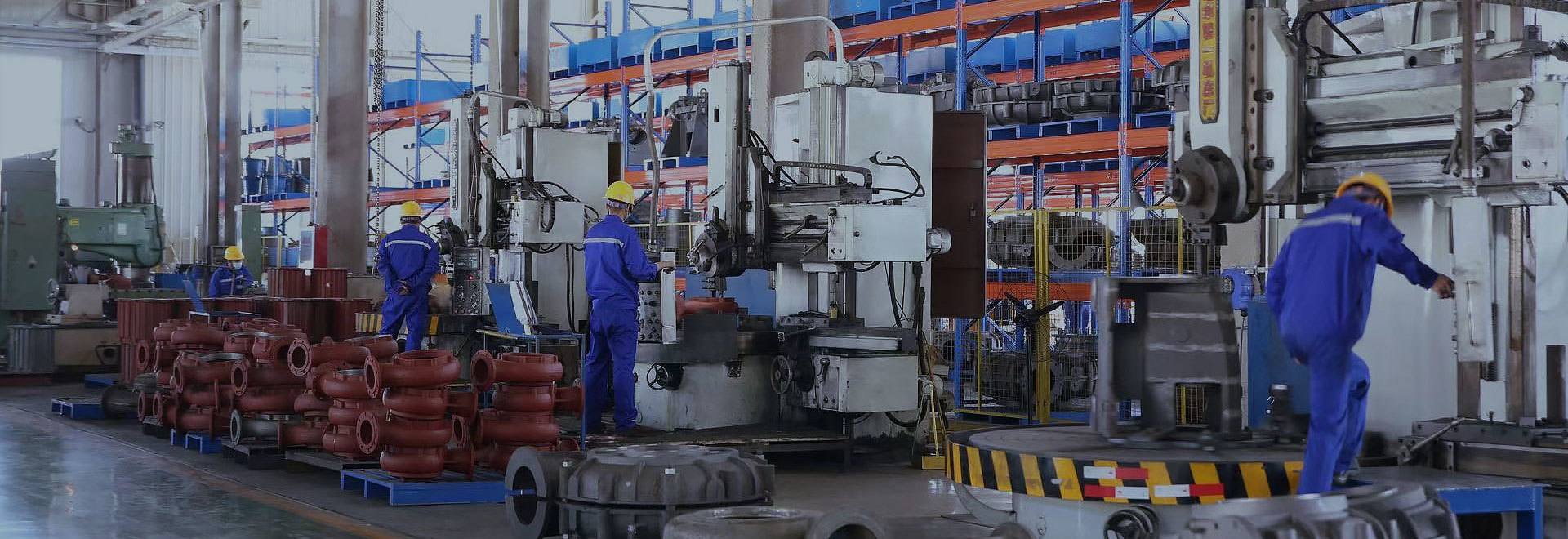
ABOUTThe group company integrates design, casting, production, research and development, sales and service to provide customers with modern, digital one-stop water supply system solutions.

-
PRODUCTS
-
APPLICATION4 production bases in group company, 10 branches, more than 20 offices, more than 1000 professional employees, long-term service to domestic and foreign high-end customer groups including Five state-owned power groups.
-
NEWSShanglishi Group is the main member appointed by the Pump Association to participate in the development of national standards for slurry pumps and petrochemical centrifugal pumps.
-
CONTACTThe company's good product quality and service have always created value for customers, and are favored by more and more customers.
Centrifugal Pumps: Selection, Applications, and Maintenance
Published:
Dec 31,2024
Whether in industrial processes, water treatment, or oil and gas applications, centrifugal pumps play a crucial role in fluid movement.
Centrifugal pumps are one of the most widely used types of pumps across industries due to their efficiency, simplicity, and versatility. They operate by converting rotational kinetic energy from a motor into hydrodynamic energy, which moves fluids. Whether in industrial processes, water treatment, or oil and gas applications, centrifugal pumps play a crucial role in fluid movement.
Here’s an overview of centrifugal pumps, focusing on their selection, common applications, and maintenance.
1. Centrifugal Pump Selection
Selecting the right centrifugal pump for your application is essential to ensure efficiency, reliability, and longevity. The selection process involves considering several factors:
a. Flow Rate (Capacity)
The flow rate is the amount of fluid the pump needs to move per unit of time, typically expressed in gallons per minute (GPM) or liters per second (L/s). Accurate determination of the required flow rate ensures the pump can meet the system’s demands.
b. Head (Pressure)
The total head is the height that the pump needs to lift the fluid, which translates into the pressure it must generate. It includes the static head (vertical distance), frictional head (losses due to pipe friction), and other pressure losses from components such as valves and fittings.
c. Fluid Characteristics
Consider the physical and chemical properties of the fluid to be pumped, such as:
Viscosity: Thicker fluids may require more power to pump.
Temperature: Pumps need to handle the fluid’s temperature range.
Corrosiveness: Some fluids may require special materials or coatings to prevent corrosion.

SS(R) Series Single-Stage Centrifugal Pump
d. Pump Material
Centrifugal pumps can be made from various materials, including cast iron, stainless steel, bronze, and specialized alloys. The material must be chosen based on the fluid's characteristics and the operating environment (e.g., exposure to chemicals, high temperatures).
e. Pump Efficiency and Energy Consumption
Choosing an efficient pump can save significant energy costs in the long term. Efficiency is influenced by pump design, the operating conditions, and the match between the pump's capacity and the system's needs.
f. NPSH (Net Positive Suction Head)
The NPSH is the pressure required at the pump's suction to prevent cavitation. It's critical to select a pump with an appropriate NPSH margin, especially in systems with low suction pressure or high elevations.
2. Common Applications of Centrifugal Pumps
Centrifugal pumps are used in a wide range of applications, including:
a. Water and Wastewater Treatment
Centrifugal pumps are essential in moving water and wastewater in treatment plants. They transport liquids through filtration, chlorination, and pumping systems. Specialized designs are used for handling sludge, abrasive particles, and chemicals.
b. Chemical Processing
In the chemical industry, centrifugal pumps are used to move a variety of corrosive, abrasive, and high-temperature fluids. These pumps are designed with corrosion-resistant materials to handle different chemicals and ensure smooth operation in processes like mixing, transferring, and dosing.
c. Oil and Gas
Centrifugal pumps are employed in the oil and gas industry for applications such as crude oil transfer, refining, pipeline transportation, and oil recovery operations. These pumps are designed to handle the viscous, high-pressure, and sometimes corrosive nature of petroleum products.
d. HVAC Systems
In heating, ventilation, and air conditioning systems, centrifugal pumps are used for circulating water or antifreeze solutions through radiators, chillers, and cooling towers.
e. Food and Beverage Industry
Centrifugal pumps are used for transferring liquids such as juices, milk, and syrups. These pumps are designed for hygienic purposes and must meet food safety standards.
f. Agriculture
In irrigation systems, centrifugal pumps are widely used for transferring water from rivers, lakes, or wells to irrigation systems, ensuring crops receive the required water supply.
3. Maintenance of Centrifugal Pumps
Proper maintenance is critical for maximizing the lifespan and efficiency of centrifugal pumps. Regular maintenance can prevent costly repairs and ensure continuous, reliable operation. Key maintenance practices include:
a. Routine Inspections
Regular visual inspections are necessary to check for leaks, unusual vibrations, and excessive noise, which could indicate wear or operational issues. Inspect seals, bearings, and the pump shaft for wear.
b. Monitoring Pump Performance
Track performance parameters like flow rate, pressure, power consumption, and NPSH to detect any discrepancies. If a pump is operating outside of its optimal range, it could indicate a need for maintenance or adjustment.
c. Lubrication
Ensure that bearings and other moving parts are properly lubricated. Lack of lubrication can lead to overheating and excessive wear. Follow manufacturer guidelines for lubrication intervals.
d. Cleaning the Pump
Depending on the application, pumps may accumulate sediment, scale, or debris. Periodically cleaning the pump internals helps prevent blockages and maintains fluid flow.
e. Sealing and Gaskets
Check the seals and gaskets regularly for signs of wear or damage. Leaking seals can cause fluid loss and reduce pump efficiency.
f. Cavitation Prevention
Cavitation occurs when the pressure within the pump drops below the fluid's vapor pressure, causing vapor bubbles to form and collapse. This can cause damage to the pump's components. Ensuring adequate suction pressure, correct pump speed, and appropriate NPSH will help prevent cavitation.
g. Impeller Maintenance
The impeller is a key component in centrifugal pumps and is subject to wear due to fluid flow. Inspect the impeller for cracks, erosion, or clogging. Clean or replace it if necessary.
h. Motor Maintenance
If the pump is driven by an electric motor, maintain the motor by cleaning dust and dirt from the housing, checking electrical connections, and ensuring that bearings are in good condition.
Conclusion
Centrifugal pumps are indispensable in many industries due to their ability to move fluids efficiently. By carefully selecting the right pump for the application, performing regular maintenance, and monitoring its performance, you can ensure long-lasting, efficient operation. Whether you're handling clean water, chemicals, or oil, understanding centrifugal pump selection and maintenance is key to maintaining reliable systems.
Keyword:
SHANGLISHI PUMP GROUP
Department Director: Ms. Wang
Tel: +86-311-82725800/82725629
Email: admin@sls-pump.com
WhatsApp: +86 15830676372
Mobile Website

Mobile Website
Copyright © 2022 SHANGLISHI PUMP GROUP