

-
ABOUTThe group company integrates design, casting, production, research and development, sales and service to provide customers with modern, digital one-stop water supply system solutions.

-
PRODUCTS
-
APPLICATION4 production bases in group company, 10 branches, more than 20 offices, more than 1000 professional employees, long-term service to domestic and foreign high-end customer groups including Five state-owned power groups.
-
NEWSShanglishi Group is the main member appointed by the Pump Association to participate in the development of national standards for slurry pumps and petrochemical centrifugal pumps.
-
CONTACTThe company's good product quality and service have always created value for customers, and are favored by more and more customers.
Guide to Choosing Gravel Pumps
Published:
Dec 13,2024
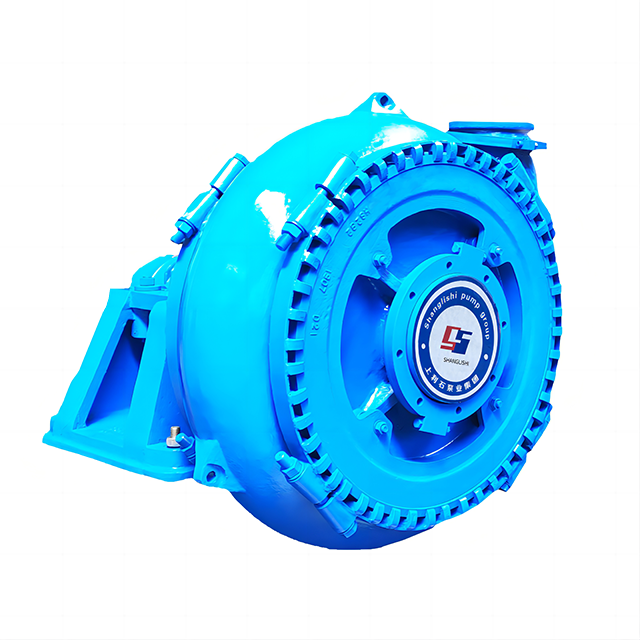
Gravel pumps are essential for handling abrasive and large solids in various industrial and mining applications, such as dredging, sand and gravel processing, and construction projects.
Gravel pumps are essential for handling abrasive and large solids in various industrial and mining applications, such as dredging, sand and gravel processing, and construction projects. Selecting the right gravel pump can significantly affect operational efficiency, reduce maintenance costs, and improve the overall performance of your system. However, with numerous pump types and models available, making the right choice requires a thorough understanding of the specific application requirements and the features of different pump types. In this guide, we’ll discuss how to choose the best gravel pump for your needs.
1. Understand the Key Features of Gravel Pumps
Gravel pumps are designed to handle the transportation of coarse particles like gravel, sand, and slurries that traditional pumps cannot manage effectively. When choosing a gravel pump, it's essential to consider several factors, including:
1.1. Type of Gravel Pump
Gravel pumps generally come in two main types: centrifugal and positive displacement pumps. Each type has its advantages, depending on the application.
- Centrifugal Gravel Pumps: These are the most common type of gravel pump and are used for applications where high flow rates and moderate pressure are required. Centrifugal gravel pumps operate by converting rotational energy into kinetic energy to move fluids and solids.
- Positive Displacement Gravel Pumps: These pumps are ideal for situations requiring high pressure and precise flow control. They move fluids and solids by trapping a fixed volume of material and forcing it through the discharge pipe.
1.2. Material of Construction
Given the abrasive nature of gravel and sand, the pump's material construction plays a crucial role in its longevity and efficiency. Common materials used in gravel pump construction include:
- Cast Iron: Known for its strength and durability, cast iron is a common choice for gravel pumps. It offers a good balance between cost and wear resistance.
- High Chrome Alloys: High-chrome alloy pumps offer superior abrasion resistance, making them ideal for handling highly abrasive materials like gravel and sand.
- Rubber Linings: For pumps used in high-corrosion or moderate-abrasion environments, rubber linings provide additional protection and can extend the pump’s lifespan.
2. Assess the Pump’s Capacity and Flow Rate
The pump’s capacity is one of the most important factors to consider when choosing a gravel pump. The capacity is generally expressed in terms of flow rate, which is the amount of fluid and material the pump can handle over a given period. It is crucial to choose a pump with the right capacity to meet the demands of your project.
2.1. Flow Rate
The flow rate of the pump should be aligned with the volume of material you need to pump. If the pump has a flow rate too high for the application, it may cause the material to be pumped too quickly, reducing the efficiency. On the other hand, a flow rate that is too low can lead to blockages or insufficient material transport.
2.2. Head Pressure
The head pressure refers to the vertical distance the pump needs to push the slurry, which can be influenced by factors like the height of the discharge point and friction losses in the pipeline. The pump you choose should have the necessary head pressure capacity to overcome these forces and maintain an efficient flow.
3. Consider the Size and Particle Size Handling
Gravel pumps are specifically designed to handle larger, abrasive particles, but it's essential to match the pump to the specific size of the material you are transporting. The particle size will influence both the type of pump and the pump's design parameters, such as the impeller and suction capacity.
3.1. Impeller Design
Gravel pumps typically use a larger impeller compared to conventional pumps. The impeller size and design are crucial in ensuring the pump can handle large, abrasive particles without clogging or damaging internal components. Pumps designed with larger, robust impellers are better suited for transporting gravel, rocks, and other coarse solids.
3.2. Pump Diameter
The diameter of the pump's inlet and discharge pipes must be large enough to accommodate the size and quantity of material being transported. Pumps with larger diameters reduce the risk of blockages and increase the ability to handle coarse materials more efficiently.
4. Evaluate the Pump's Wear Resistance
Since gravel and sand are highly abrasive materials, the wear resistance of the pump is a key factor in determining its lifespan and cost-effectiveness. Pumps made with durable, abrasion-resistant materials such as high-chrome alloys, rubber linings, or hardened steel tend to last longer in gravel pumping operations. Ensure that the pump you choose has adequate wear resistance to reduce downtime and maintenance costs over time.
4.1. Replaceable Wear Parts
Some gravel pumps feature replaceable wear parts such as impellers, liners, and shafts. This feature can reduce long-term operational costs by allowing parts to be replaced individually as they wear down rather than replacing the entire pump.
4.2. Self-Cleaning Features
Certain models come with self-cleaning features that help prevent debris and material from accumulating in the pump, reducing the need for manual cleaning and reducing wear on internal components.
5. Power Source and Efficiency
Gravel pumps can be powered by various energy sources, including electric motors, diesel engines, or hydraulic systems. The type of power source you choose will depend on your specific application, including location, available infrastructure, and power supply considerations.
5.1. Electric vs. Diesel-Powered Pumps
Electric pumps are ideal for applications with easy access to electricity, offering a more efficient and environmentally friendly option. Diesel-powered pumps, on the other hand, are more suitable for remote locations or areas where electrical infrastructure is unavailable.
5.2. Hydraulic Pumps
Hydraulic gravel pumps are used in applications that require a compact pump and offer high efficiency with the flexibility of being powered by a variety of power sources. They are often used in construction or mining sites where power needs to be easily distributed across a larger operation.
6. Assess Pump Maintenance Requirements
Maintenance plays a crucial role in the longevity and efficiency of gravel pumps. Before purchasing, ensure that the pump you choose has easy access to internal components for routine inspections, cleaning, and maintenance. Pumps with fewer parts and those that allow for quick repairs will minimize downtime and reduce operational costs in the long run.
6.1. Regular Inspections
Routine inspections of components such as bearings, seals, and impellers will help identify wear before it causes major problems. Choose a gravel pump that allows for easy disassembly and inspection.
6.2. Service and Support
Consider the availability of replacement parts and the quality of the manufacturer’s customer support. Pumps from established brands often come with better service warranties, ensuring that you can maintain optimal performance throughout the pump's lifecycle.
7. Consider Your Application and Environment
The environmental conditions in which the gravel pump will operate also play a critical role in the selection process. Consider the following:
7.1. Operating Conditions
If the pump will be operating in a hot or corrosive environment, you’ll need to select a pump that can withstand such conditions. Pumps with corrosion-resistant coatings or stainless steel parts are ideal for such environments.
7.2. Portability
If mobility is important, consider portable gravel pump models that can be easily moved to different locations on a job site. These pumps may be mounted on trailers or wheeled carts for easy transport.
Conclusion
Choosing the right gravel pump involves understanding the specific requirements of your application, including flow rate, material type, wear resistance, and power source. By carefully considering these factors and selecting the right pump features, engineers can ensure efficient, reliable, and cost-effective gravel handling for various industrial and construction projects. Proper maintenance and support are also crucial for maximizing the lifespan and performance of your gravel pump, ultimately helping you achieve optimal productivity and cost savings in the long run.
Keyword:
Previous:
SHANGLISHI PUMP GROUP
Department Director: Ms. Wang
Tel: +86-311-82725800/82725629
Email: admin@sls-pump.com
WhatsApp: +86 15830676372
Mobile Website

Mobile Website
Copyright © 2022 SHANGLISHI PUMP GROUP