

-
ABOUTThe group company integrates design, casting, production, research and development, sales and service to provide customers with modern, digital one-stop water supply system solutions.

-
PRODUCTS
-
APPLICATION4 production bases in group company, 10 branches, more than 20 offices, more than 1000 professional employees, long-term service to domestic and foreign high-end customer groups including Five state-owned power groups.
-
NEWSShanglishi Group is the main member appointed by the Pump Association to participate in the development of national standards for slurry pumps and petrochemical centrifugal pumps.
-
CONTACTThe company's good product quality and service have always created value for customers, and are favored by more and more customers.
Reasons for slurry pump vibration with noise or not rotating
Published:
Dec 24,2024
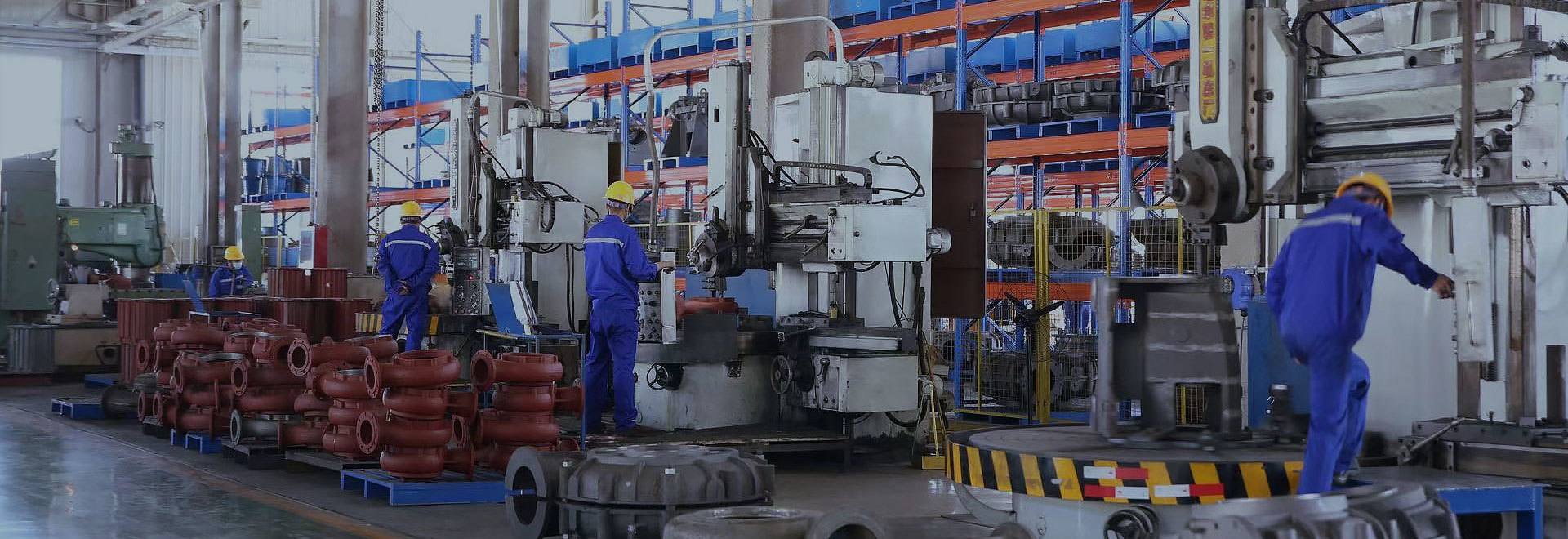
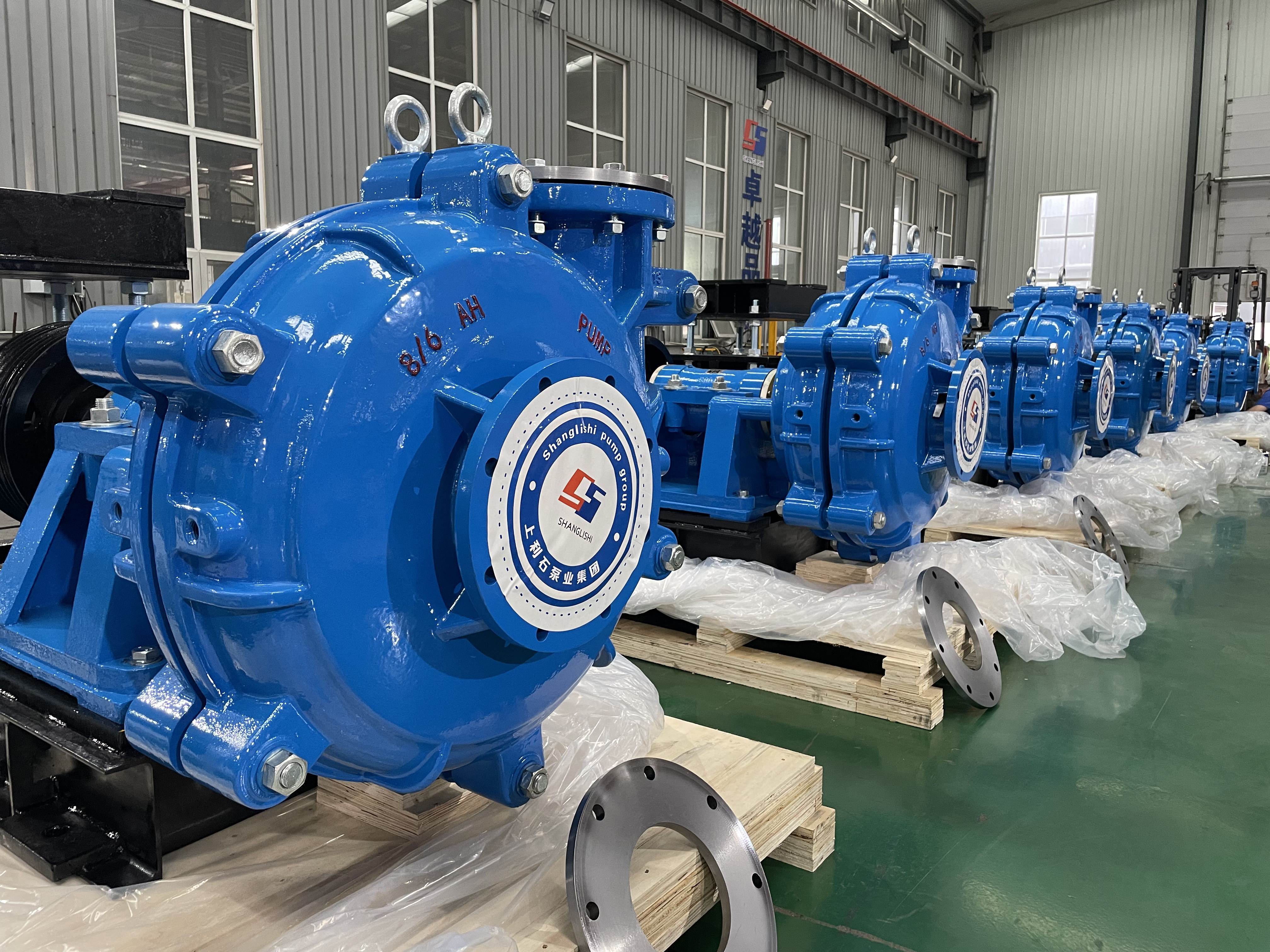
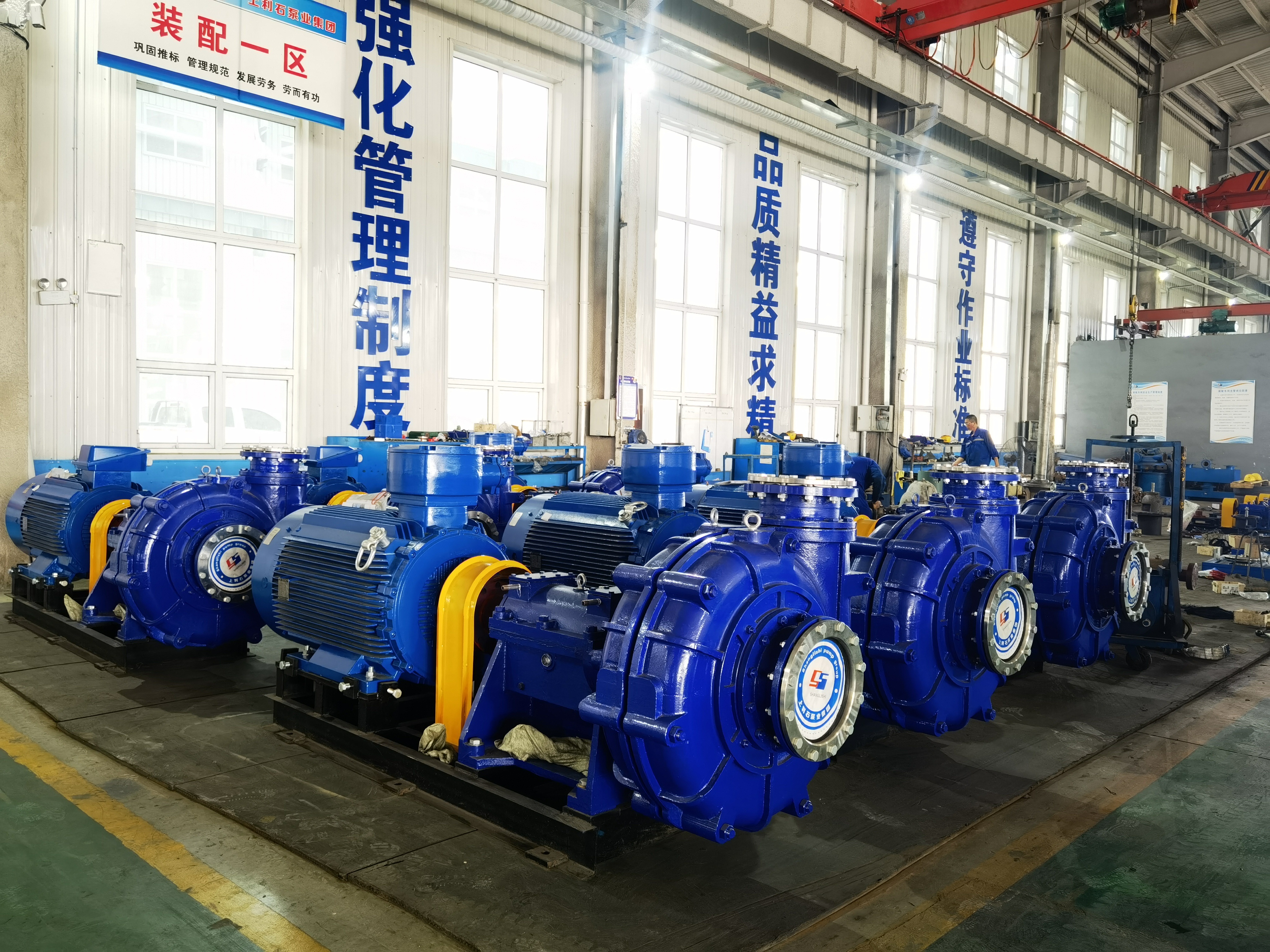
Slurry pumps often experience faults such as vibration, noise, or failure to operate in industrial production. These faults may stem from multiple factors, such as foreign objects entering the pump, bearing wear, or impeller damage. To address these issues, operators should regularly conduct equipment inspections and maintenance to ensure that the slurry pump is in good working condition, improve production efficiency, and ensure safe production.
Vibration and noise in slurry pumps or failure to rotate are common faults of slurry pumps.If severe, it will seriously affect production progress, and must be resolved promptly once it occurs. The reasons for slurry pump vibration, noise, or failure to rotate are as follows:
1. Uneven medium density. Uneven medium density can cause vibration when the pump is just started. Once the pump is operating normally, the vibration will disappear. This situation does not require treatment; just ensure that the medium is evenly blown with high-pressure air before starting.
2. Cavitation occurs in the pump, causing an imbalance in the impeller. The outlet valve should be adjusted to a smaller size, reduce installation height, and decrease inlet resistance.
3. The pump is not installed level. During installation, attention should be paid to the level of the pump body and regular checks.
4. Uneven air intake in the suction pipe. Strengthen the uniform stability of air intake to improve feeding conditions of the pump.
5. Pump(motor) bearing clearance is too large. Excessive bearing clearance can lead to significant vibration in the pump; during routine equipment checks, always observe the condition of the pump and address any misalignment between the pump shaft and motor shaft or damaged bearings promptly.
6. Motor failure. Choose to repair or directly replace based on the fault condition; pay attention to the motor's status regularly.
7. Loose or broken conveyor belt. If loose, tighten it directly; if broken, replace the belt.
8. Foreign objects enter inside the pump. If foreign objects get stuck between the impeller and front (rear) liner, or if front (rear) liners are damaged and block water wheels, or if material accumulates due to delayed discharge blocking impellers, this will prevent the pump from rotating.When handling this fault, disassemble the pump to check for causes of failure; however, this has a significant impact on production and should be avoided as much as possible.
9. The outlet valve of the pump is not tightly closed, leading to leakage into slurry sedimentation in the pump chamber. At this time, repair or replace the outlet valve and remove sediment.
Keyword:
Slurry pump,The use of slurry pumps,Daily maintenance of slurry pumps
SHANGLISHI PUMP GROUP
Department Director: Ms. Wang
Tel: +86-311-82725800/82725629
Email: admin@sls-pump.com
WhatsApp: +86 15830676372
Mobile Website

Mobile Website
Copyright © 2022 SHANGLISHI PUMP GROUP